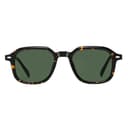
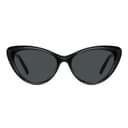
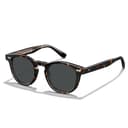
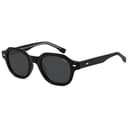
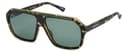
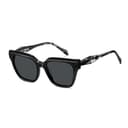
How to buy cheap acetate without buying junk
Three checks separate a good budget acetate frame from a bad one. First, the listing should say “cellulose acetate”— not just “plastic,” and not “TR90” (which is a nylon, fine but different). Second, it should state UV400 or 100% UV; a cheap frame with no UV rating is the one to avoid. Third, look for polarizedif you drive or spend time near water — at this price, it’s often included.
What you genuinely give up at this price
Being honest: budget acetate won’t have the hand-mixed color depth of a designer Havana, the hinges are simpler, and the polish is machine-done rather than hand-finished. None of that affects how well the frame protects your eyes or how it photographs from a normal distance. If you want a frame you’ll baby for a decade, save up; if you want something great you won’t cry over losing at the beach, this is the list. If what you actually want is for nobody to be able to tell what you paid, that is a slightly different question and we rank the same band on it separately in cheap sunglasses that look expensive— colorway, lens tint and hinge type do more for that than the material grade does.
Why “acetate-look” plastic is the real trap
The frames to actually avoid aren’t honest budget acetate — they’re injection-molded plastic with a printed tortoise pattern sold at a similar price. They look flat, scratch to a different color underneath, and can’t be adjusted. Our guide on how to tell if frames are real acetate is worth two minutes before you buy anything under $30.
Two pages put this budget field in context. Our SOJOS vs Ray-Ban comparison is the honest answer to whether the icon is worth five times the money, and our roundup of the best Wayfarer alternatives picks the angular frames here that do the Wayfarer’s job.
Two more, if the budget question is really a durability question. Our best everyday sunglasses roundup ranks on what survives a hot dashboard and a bag with no case, which is the honest reason most people shop this band in the first place; and CARFIA vs Ray-Ban sets out exactly what the five-times price gap buys and what it does not.
One more comparison people make at this price, and it is worth doing properly rather than by instinct: a direct-to-consumer eyewear brand bundles the frame with a returns policy and free lens replacement, and the frame itself sits in roughly the same manufacturing tier as the picks on this page. Our Warby Parker alternatives page unpicks that bundle line by line, including the arithmetic on a polarization upgrade that costs more than two of these frames.