Why oversized works better in acetate
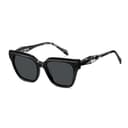
Scale exposes a cheap frame. When a lens is noticeably larger than the eye socket, every millimeter of rim is on show, so a thin or hollow-feeling material has nowhere to hide. Cellulose acetate is cut from a solid sheet, which gives an oversized frame the depth and weight the shape needs to look intentionalrather than costume. Our overall pick is a flat-top oversized square in acetate for exactly this reason: the acetate body gives the big shape the substance that makes it read as designed. The trade-off is that a flat-top is a stronger statement than a soft square — worth knowing before you buy.
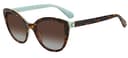
Acetate also does something a large metal or plastic frame can’t: it carries deep color and layered tortoise across a big surface. On the oversized cat-eye pick, that shows up as a genuine Havana warmth rather than a flat printed pattern, which is a big part of why the frame reads mid-range designer rather than fast fashion. Big frames are where material quality is most visible, so it is the place acetate earns its keep.
The two picks answer two different briefs. The oversized square is the versatile, everyday choice: a flat-top acetate frame that is polarized, unisex enough to share and neutral enough to wear with anything, which is why it takes the overall spot. The oversized cat-eye is the dressier, more overtly feminine option — the upswept outer corners add a lift that a square frame doesn’t, and the polarized lenses are a real step up over the many budget cat-eyes that skip polarization entirely. One honest note on that cat-eye: its lenses are a style-first gradient, which looks beautiful but lets more light through the lower part of the lens than a solid tint would. If maximum glare-cutting matters more to you than the graduated look, that is a fair trade to weigh.
The coverage bonus
There is a real, non-cosmetic reason to like an oversized frame: coverage. A bigger lens sits closer to the brow and cheekbone and extends further toward the temple, so it blocks more of the peripheral light that a small frame lets sneak in around the edges. For time on the water, at altitude or on a bright open road, that wider shield is a genuine comfort and protection plus.
One caveat, and it matters: coverage is a bonus on top of UV protection, never a substitute for it. A large lens that isn’t UV-rated is just a bigger tinted lens. The American Academy of Ophthalmology and the U.S. FDA are consistent that the thing protecting your eyes is the UV filter — a 100% UV or UV400 rating — not the size or the darkness of the lens. Keep UV400 the priority; both picks here state it. Our UV400 explainer walks through what the number actually means.
Coverage also depends on how the frame sits, not just how big the lens is. An oversized frame that stands well off the face lets light sneak in around the sides, while one that sits closer to the brow and cheekbone shields far more effectively — which is another quiet argument for a frame with enough structure to hold its position. It is the same reason the solid build of acetate helps here: a well-balanced acetate frame stays where you put it instead of sliding down and opening a gap along the top edge.
Who oversized frames suit
Oversized frames belong on medium-to-large faces, and they flatter oval and heart shapes especially well. An oval face has the balanced proportions to carry a big frame without it taking over, which is why oval faces wear oversized best of all. A heart face— wider at the brow, narrower toward the chin — can use an oversized frame to add visual weight lower down and even out that taper, particularly a bottom-heavy or rounded oversized shape.
The face to be honest about is a small one. A frame that is bigger than the eye socket will overwhelm a small face, hiding the features instead of framing them and often sliding down the nose because the fit is simply too wide. If your frames usually sit too broad, the oversized trend is the one to approach with caution — or to scale down deliberately, which the next section covers.
Shape matters alongside size. A flat-top oversized square, like our overall pick, is the strongest, most architectural version of the look and adds structure — useful if you want the frame to be the whole outfit. An oversized cat-eye is softer and more romantic, and its upswept corners can lift and slim a fuller face. A rounded or bottom-heavy oversized shape is the most balancing on a heart face, because it adds visual weight exactly where a heart face narrows. Match the shape to what your face wants, then size within that shape.
Getting the scale right
“Oversized” is a range, not a single size, so aim for the version that is big enough to make a statement but still in proportion to your face. A good sanity check is width: the frame should end at roughly the widest part of your face, not extend well past it — a frame wider than your head reads borrowed rather than bold. Check the depth too, so the lower rim clears your cheekbone and doesn’t rest on it when you smile. If you love the drama but the true oversized shapes swamp you, step down one size and choose a rounded or soft-square version rather than a hard flat-top; you keep the spirit without the fit problem.
Living with an oversized frame
A big frame asks a little more of you day to day, and it is better to know that going in. More lens area means more surface to smudge and scratch, so an oversized pair rewards a hard case and a proper cleaning cloth rather than a shirt hem. The extra size and weight also put more load on the temples and the bridge, which is one more reason the solid feel of acetate helps — a well-balanced acetate frame distributes that weight better than a flimsy one that pinches at the temples. And because the frame is a statement, a neutral or classic colorway will get far more wear than a novelty finish; the shape is already doing the talking, so the color can afford to be quiet.
If what you are after is the weight of the frame rather than the size of the lens, our roundup of the best thick frame sunglasses is the closely related page. And if the reason you want more lens is coverage rather than fashion, both best sunglasses for women over 50 and sunglasses for sensitive eyes treat lens area as a functional specification and rank accordingly.