Acetate & Materials
What cellulose acetate actually is, how it compares to plastic and metal, and how to tell real acetate from acetate-look plastic on the spec sheet.
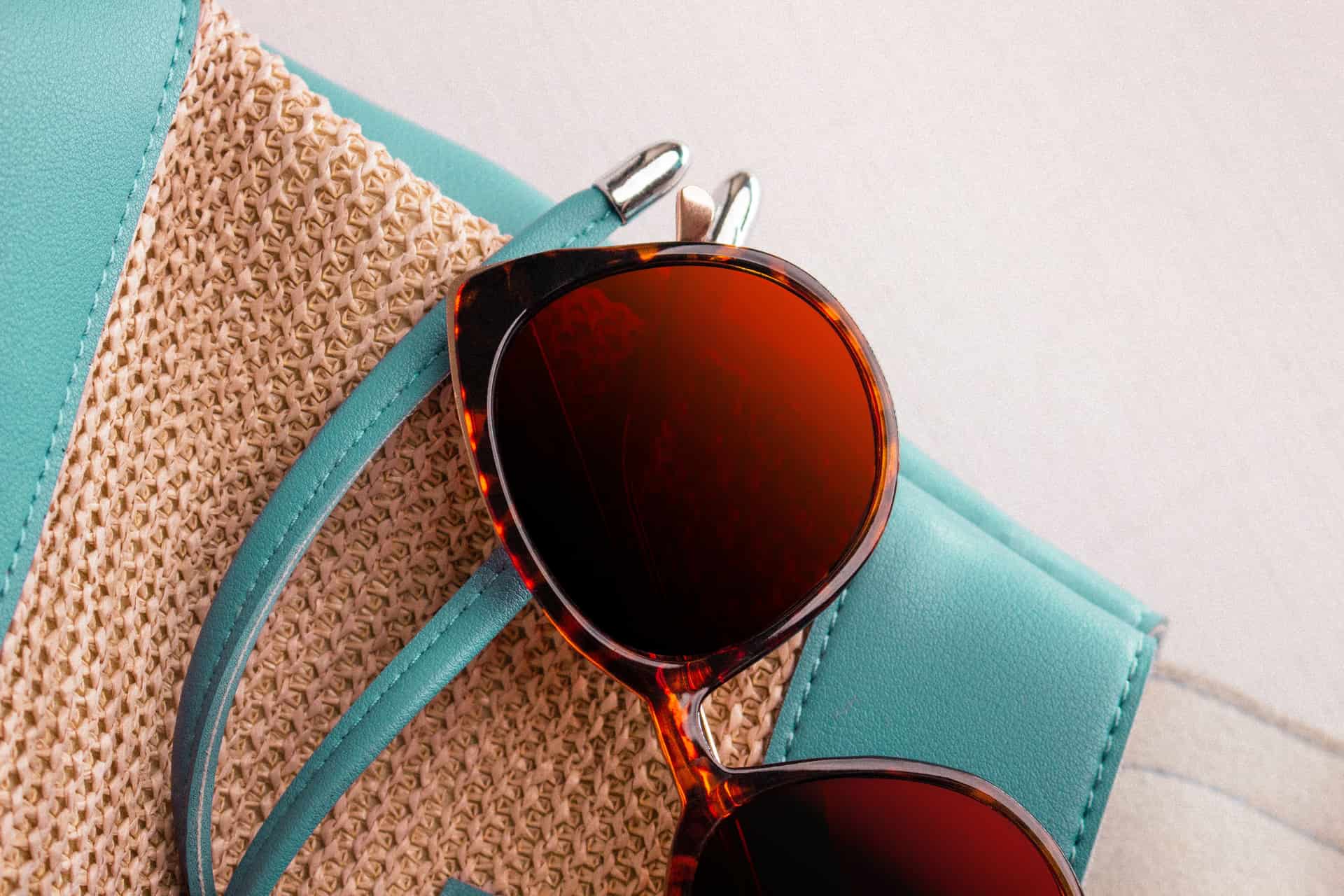
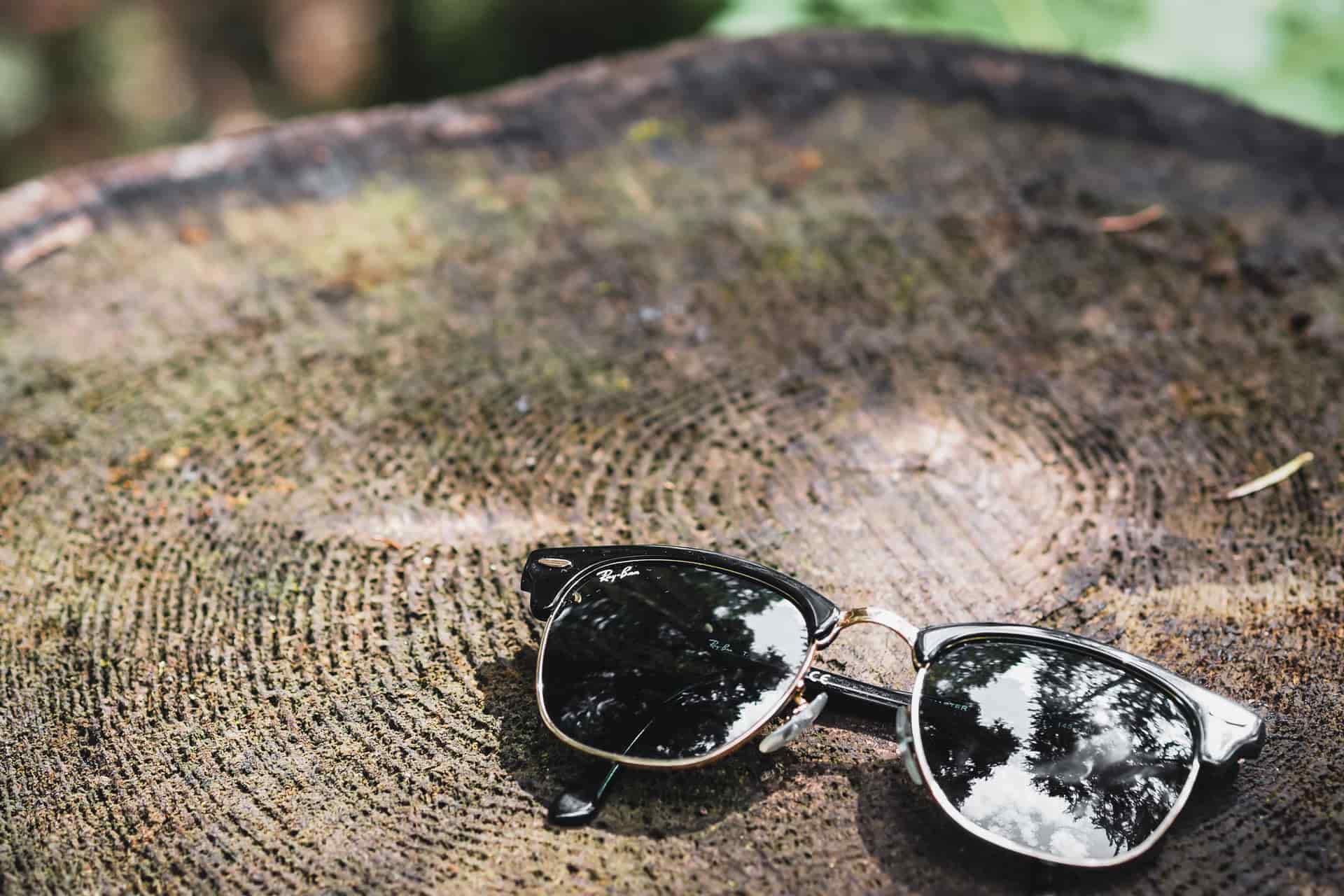
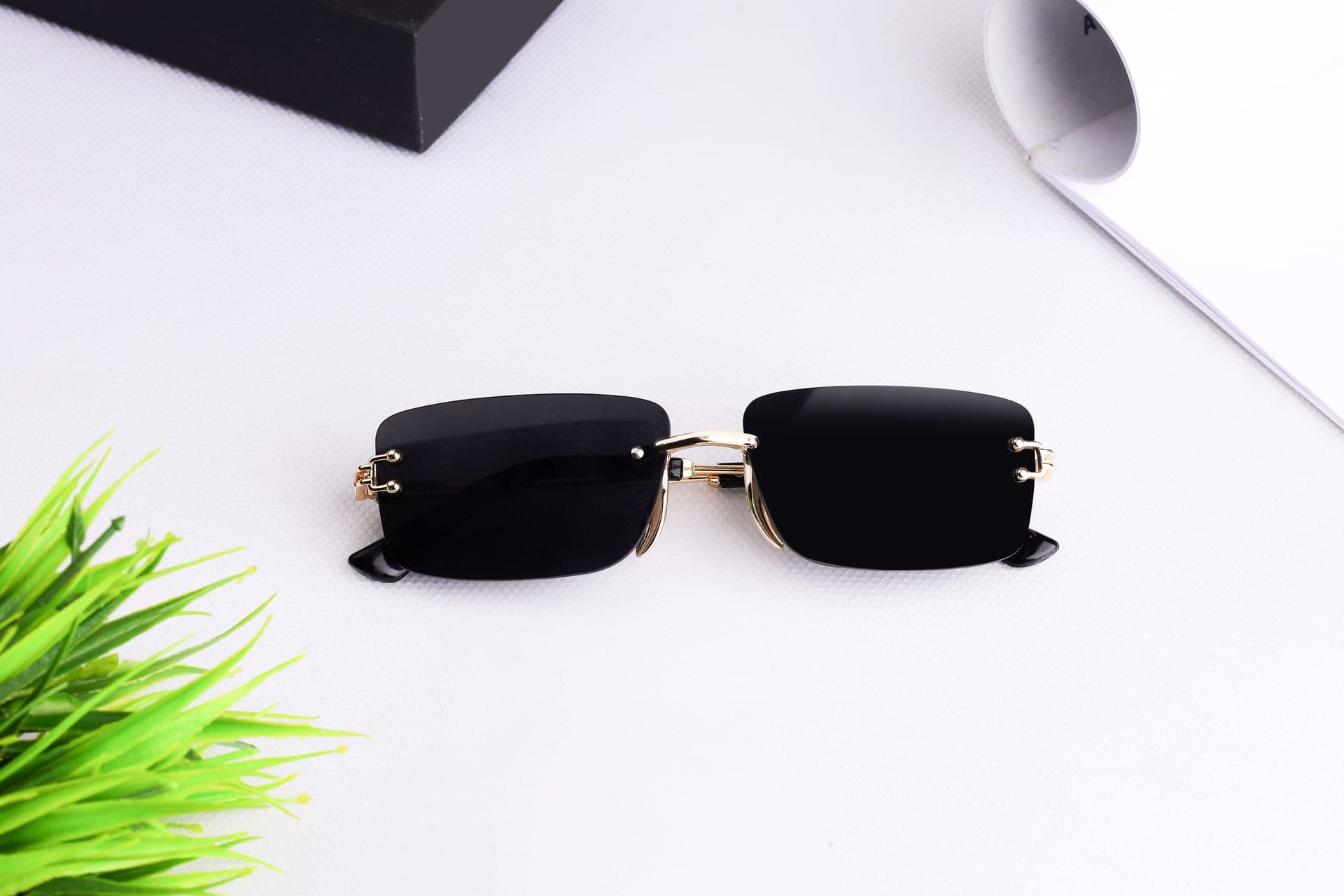
Acetate is the material this whole site is named after, and for good reason: it is what almost every frame you’d call “premium” is actually cut from. When people say a pair of sunglasses feels expensive — the weight in the hand, the depth of a tortoiseshell pattern, the way the surface takes a polish — they are usually describing cellulose acetate, a plant-based plastic made from wood pulp and cotton fibers rather than the petroleum injection plastic used in throwaway frames.
This hub is the honest, jargon-free version of the material story. Start with what acetate isand why it’s worth the extra money, then use the comparisons to decide whether acetate or metal suits you, learn the five checks that separate real acetate from acetate-look plastic, and get the straight answer on whether “bio-acetate” is genuinely more sustainable. Every claim here is cited to a manufacturer or a standards body, not to us.
Everything in Acetate
What Is Acetate? (Eyewear Explained)
A plain-English definition of cellulose acetate, why premium eyewear is made from it, and what 'handmade acetate' really means.
Acetate vs Plastic Sunglasses
The real difference between cellulose acetate and injection-molded plastic frames — durability, weight, color depth, and price, in one table.
Acetate vs Metal Frames
When an acetate frame beats a metal one, and when it doesn't — weight, adjustability, durability and skin sensitivity compared.
How to Tell If Frames Are Real Acetate
Five checks that separate genuine cellulose acetate from acetate-look injection plastic — before you buy, and after.
Bio-Acetate Sunglasses, Explained
What bio-based acetate (M49) is, whether it's actually biodegradable, and how to read the sustainability claims honestly.
Our top pick
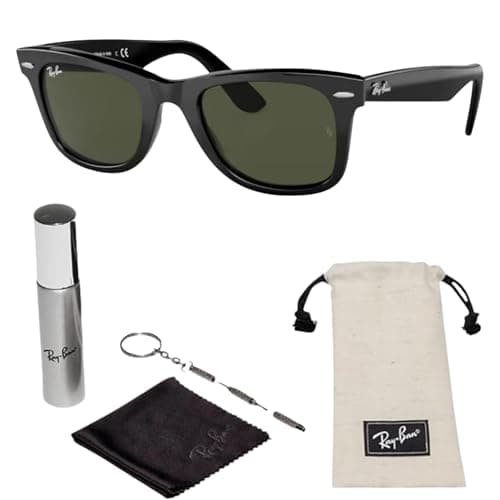
Ray-Ban Original Wayfarer Bio-Based RB2140
$222.00 · View on AmazonPrice as of October 17, 2026. #ad How we’re funded
How to Care for Acetate Frames
How to clean acetate, why the shine fades, and how a heat adjustment fixes a loose or tight fit — without wrecking the frame.
How Acetate Sunglasses Are Made
From a sheet of cellulose acetate to a finished frame — milling, tumbling and hand-polishing, and why the process is what you pay for.
Italian Acetate (Mazzucchelli), Explained
What 'Italian acetate' really means, why Mazzucchelli is the name behind it, and whether the premium is worth paying.
Acetate vs TR90 Frames
Cellulose acetate against TR90 sport nylon — weight, flexibility, color and durability, and which frame material fits which job.
Bio-Acetate vs Regular Acetate
How bio-acetate differs from standard cellulose acetate, what the biodegradability claim actually means, and whether the difference is real.
Acetate vs Polycarbonate Frames
Cellulose acetate against injection-molded polycarbonate, the material most cheap sunglasses are really made from, on weight, durability, look and price.
Acetate vs Propionate Frames
Two cellulose plastics that read alike on a spec sheet. How acetate and propionate differ on weight, feel and finish, and which one you actually want.
Are Acetate Sunglasses Durable?
Whether acetate frames break easily, how long they last, and the honest trade-offs against metal and polycarbonate, plus how to make a pair last for years.
Are Acetate Sunglasses Eco-Friendly?
Acetate is plant-based but not automatically green. What cellulose acetate is really made from, where bio-acetate fits, and how to read the eco claims honestly.
How to Adjust Acetate Frames at Home
Acetate softens with heat, so a loose or pinching frame can be reshaped. A safe step-by-step for adjusting acetate frames, and when to let an optician do it.
Acetate and Metal Frames: The Combination Explained
Plenty of frames are part acetate and part metal. What the combination actually changes about weight, fit and repairability, and when it beats either material alone.
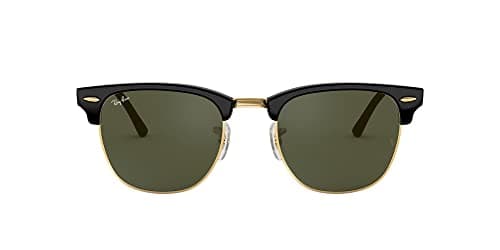
Our top pick
Ray-Ban Clubmaster RB3016
$191.00 · View on AmazonPrice as of October 17, 2026. #ad How we’re funded
Is Acetate Natural? What Cellulose Acetate Is Made From
Acetate starts as wood pulp and cotton, which is why it gets called natural. What that word can honestly cover, and where the plant-based story stops.
Zyl vs Acetate: Are They the Same Thing?
Zyl and zylonite turn up all over eyewear listings as if they were a different material. They usually aren't — here's what the word actually means.
Do Acetate Frames Turn Yellow?
Clear and light acetate can discolor with age, heat and skin oil. Why it happens, how much of it is reversible, and the habits that slow it right down.
Can Acetate Frames Be Repaired?
A snapped temple, a loose hinge, a crack at the rim. Which acetate damage an optician can genuinely fix, which is terminal, and what it tends to cost.
Acetate vs Wood Sunglasses
Wooden frames look like the sustainable choice and sometimes are. How wood compares with cellulose acetate on fit, durability, water and honest eco claims.
Why Are Acetate Sunglasses So Expensive?
The honest cost breakdown of an acetate frame — sheet stock, curing, milling, tumbling and hand-polish — and where the price stops buying you anything.
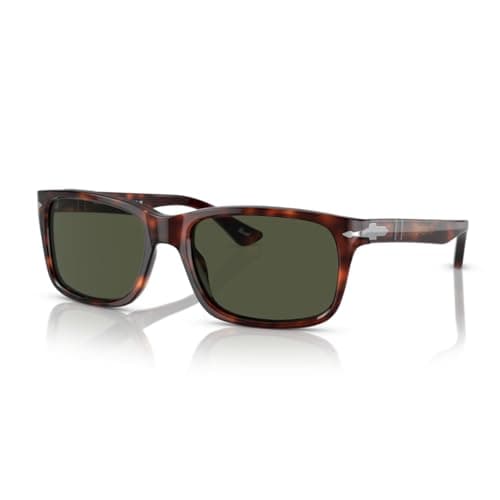
Our top pick
Persol PO3048S Rectangular
$333.00 · View on AmazonPrice as of October 17, 2026. #ad How we’re funded
Bio-Acetate vs Acetate vs Recycled Plastic
Three materials making three different environmental arguments. Which claim each one can actually support, and which frame to buy for which reason.
Our top pick
Earthly Ones Polarized Square (Eco Bio-Acetate)
$39.99 · View on AmazonPrice as of October 17, 2026. #ad How we’re funded
Acetate vs Titanium Frames
Titanium is the lightest serious frame material and the safest bet for a nickel allergy. Acetate is the one that can be fitted to your face and the only one with real layered color. Which wins for sunglasses, and why.
Our top pick
Persol PO3048S Rectangular
$333.00 · View on AmazonPrice as of October 17, 2026. #ad How we’re funded
Acetate vs Nylon Frames
Nylon is the frame material Ray-Ban actually uses on the New Wayfarer, and the one sports eyewear is built from. Where it beats acetate, where it cannot compete, and how to tell which one you are buying.
Our top pick
Ray-Ban Original Wayfarer RB2140
$191.00 · View on AmazonPrice as of October 17, 2026. #ad How we’re funded
Japanese Acetate, Explained
Japan's cellulose acetate is real and Daicel publishes what it is. What "Japanese acetate" on a marketplace listing is actually worth - and the one origin claim you can still check.
Our top pick
Persol PO3048S Rectangular
$333.00 · View on AmazonPrice as of October 17, 2026. #ad How we’re funded
Acetate Frame Hinges: Barrel vs Spring
The hinge is where a cheap acetate frame fails first, and where "spring hinge" means less than you think. The three constructions, and which frames publish theirs.
Our top pick
OTIS Omar x Outerknown Eco (Crystal Wave / Neutral Grey)
$149.95 · View on AmazonPrice as of October 17, 2026. #ad How we’re funded
Are Acetate Sunglasses Heavy?
Yes, heavier than nylon and far heavier than titanium - and weight is not what makes a frame uncomfortable. The three published numbers that decide how heavy a pair feels.
Our top pick
Privé Revaux Clevelander/S Rectangle
$34.43 · View on AmazonPrice as of October 17, 2026. #ad How we’re funded

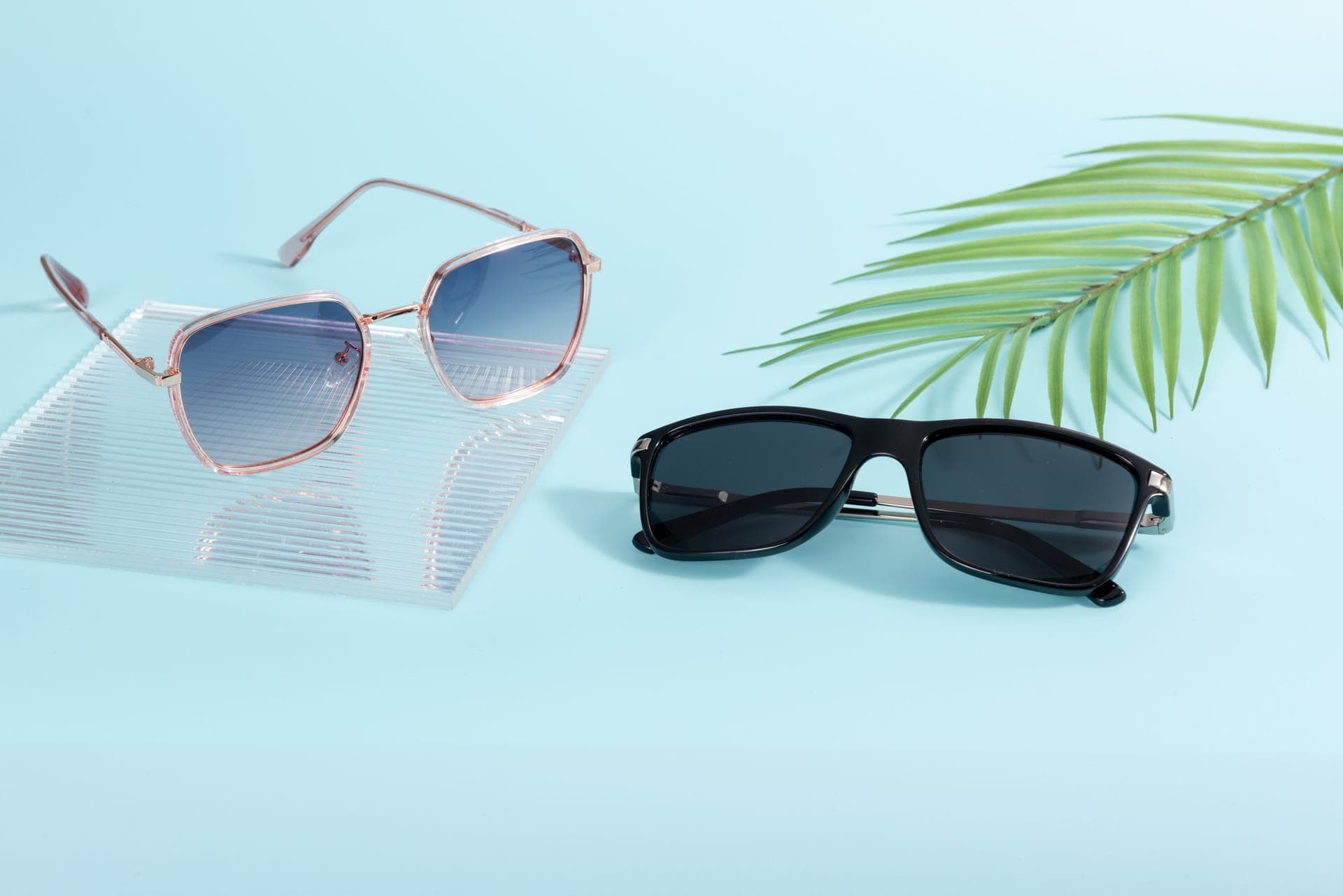
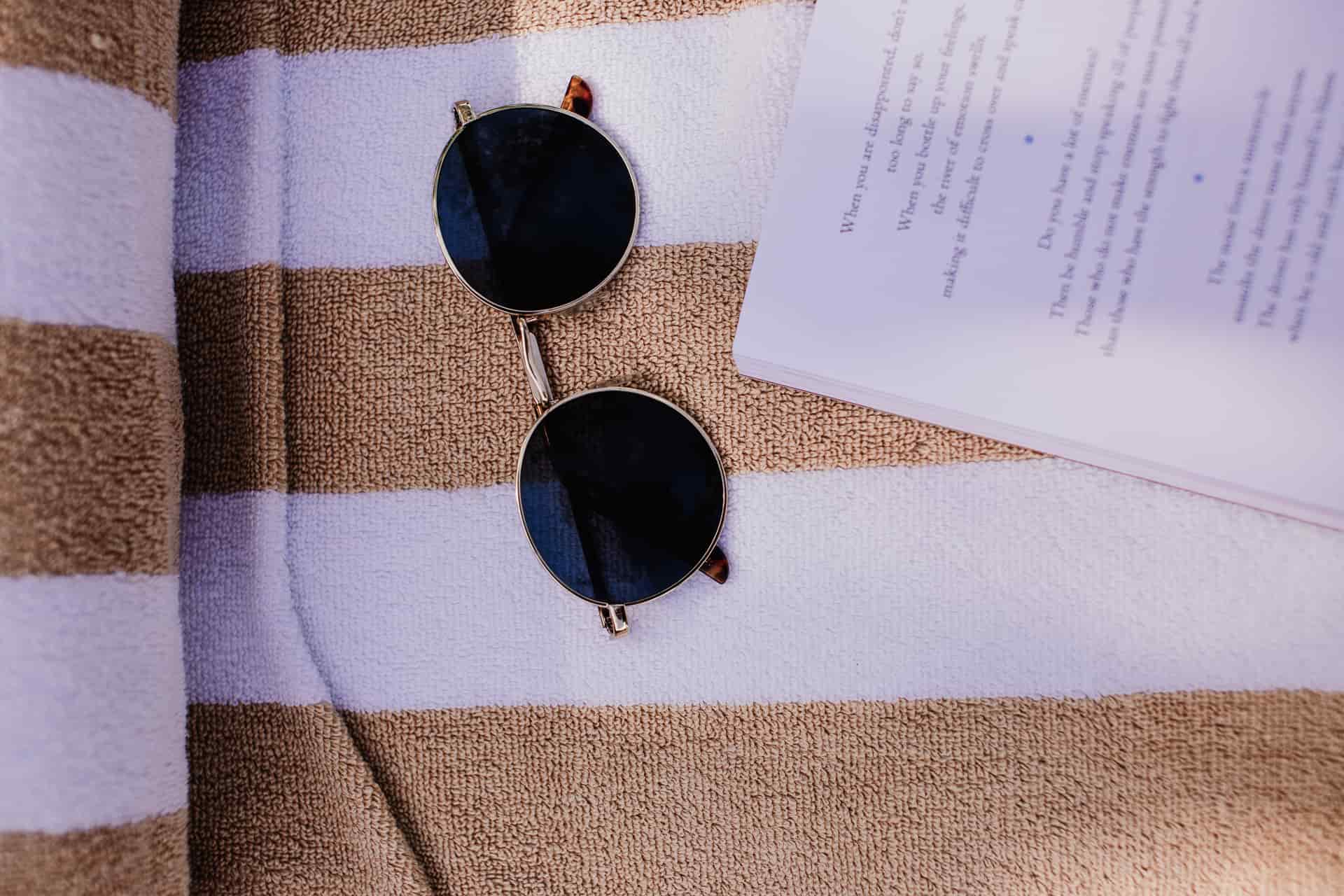
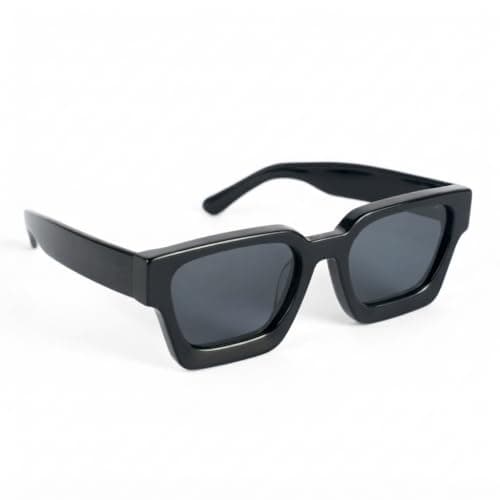
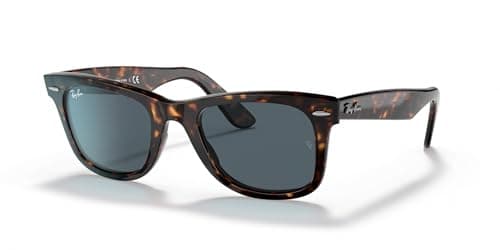
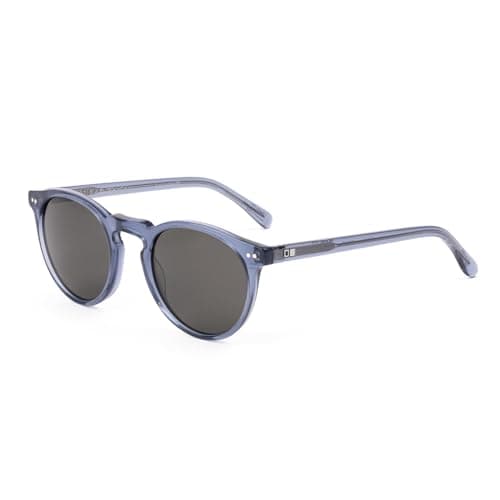
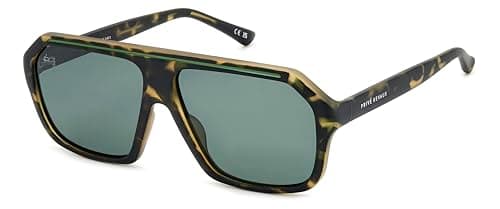
Why the material is the first thing to get right
Two frames can look identical in a photo and be completely different objects. One is milled from a sheet of cellulose acetate, hand-polished over days, and built to be heat-adjusted to your face for years. The other is molten plastic injected into a mold in seconds, with the “tortoiseshell” printed on rather than layered through. They photograph the same and wear nothing alike. If you only learn one thing before buying, learn to tell them apart.
What acetate does better
Acetate holds color throughthe material, so a scratch doesn’t reveal a different color underneath and the pattern has genuine depth. It is hypoallergenic, which matters if metal frames irritate your skin. And crucially it is thermoplastic— an optician can warm it and adjust the fit, something you cannot do with a brittle injection frame. The trade-off is weight and price: acetate is heavier than featherweight nylon and costs more because the process is slower.
Where acetate isn’t the answer
Acetate is not the right pick for every use. If you want the lightest possible frame for running or cycling, a grippy polycarbonate sport frame will serve you better — and we say so plainly in our reviews rather than pretending every good frame is acetate. The point of this hub is to help you know which material you’re actually buying, and choose it on purpose.
Frequently asked questions
Is acetate better than plastic for sunglasses?
For most buyers, yes. Cellulose acetate holds color through the material, takes a deeper polish, is hypoallergenic, and can be heat-adjusted to fit. Injection-molded plastic is lighter and cheaper but flatter-looking and not adjustable. The honest exception is sport: a grippy polycarbonate frame beats acetate for running or cycling.
Are acetate sunglasses durable?
They're durable in normal use and, unusually, repairable — a good optician can heat-adjust or re-tighten an acetate frame rather than replacing it. They are not indestructible: like any frame they can snap under enough force, and the surface shine dulls over years, though a polish restores it.
How can I tell if a frame is real acetate?
Check the weight (acetate feels substantial), look at the edges and hinges (real acetate has metal hinges pressed into the material and layered color you can see on the temple), and read the listing for the words 'cellulose acetate' rather than just 'plastic' or 'TR90'. Our how-to-tell guide walks through all five checks.
Is bio-acetate actually biodegradable?
Partly, and only under the right conditions. Bio-acetate like Mazzucchelli's M49 replaces fossil-based plasticizers with plant-based ones (about 68% bio-based content) and exceeds 90% biodegradation after 115 days under industrial composting per ISO 14855-2. It will not break down in a landfill or your kitchen bin — it needs industrial composting.
Sources
- Mazzucchelli 1849 — the cellulose-acetate maker for eyewear — Background on cellulose acetate as the traditional material for spectacle and sunglass frames (accessed July 21, 2026)
- Mazzucchelli 1849 — M49 bioplastic (bio-based cellulose acetate) — Manufacturer detail on bio-acetate: 68% bio-based content, >90% biodegradation after 115 days per ISO 14855-2:2018 (accessed July 21, 2026)
- ISO 14855-2:2018 — Aerobic biodegradability of plastics under controlled composting — The industrial-composting biodegradation test method bio-acetate claims are measured against (accessed July 21, 2026)