What makes a frame survive daily use
Heat tolerance. The real killer of everyday sunglasses is a car — a dashboard in summer gets hot enough to relax a frame, and a relaxed frame no longer grips. Acetate handles this better than most molded plastics because it can be heated and re-set by an optician rather than being permanently deformed; our page on adjusting acetate frames covers that, and it is the reason a cheap acetate frame often outlasts a cheap molded one. Either way, the fix is not to leave them on the dash.
Hinge quality. Everyday frames fail at the hinge, because that is the part you operate dozens of times a day. Metal hinges set into the acetate are what you want; a molded plastic pin is what you get at the very bottom of the market. The picks here all state metal hinges or are built on frames we have seen hold up. Acetate frames can be repaired when a screw goes, which is a genuine advantage over a sealed sport frame.
Lens hardness. A pair you push onto your head and put face-down on tables gets scratched, and a scratched lens is the most common reason an otherwise fine pair gets retired. Plastic lenses scratch; mineral glass resists it. That is the whole argument for the OTIS upgrade pick, and it is covered properly in best glass lens sunglasses and sunglasses lens materials.
Replacement cost. This is the criterion most “best of” lists ignore and most buyers care about. A $300 frame worn every day is a $300 frame you are careful with, and careful is the opposite of everyday. There is no shame in deciding the right everyday pair costs $30 and keeping the good ones for occasions.
What everyday comfort actually depends on
Weight distribution rather than weight. A heavier frame that spreads its load across two bridge contact points is more comfortable over eight hours than a lighter one pressing on a single narrow strip — which is why keyhole bridges exist, explained in our keyhole bridge guide. The second factor is temple length and the bend behind the ear: too long and the frame slides forward, too short and it pinches. If your current pair slides, work through sunglasses slipping down your nose before you blame the frame. And if you have never checked your fitting against your face, how sunglasses should fit is fifteen minutes well spent.
The picks, and who each suits
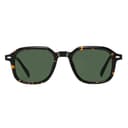
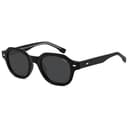
The SOJOS Acetate Rectangle is our best overall. Stated cellulose acetate, handmade with metal hinges, polarized and UV400, in a straight-lined rectangle that suits round and oval faces and reads neutral with anything you wear. It costs less than a tank of gas, which is the point: this is a frame you can treat like a tool. The compromises are no published measurements and a deliberately plain look — if you want a frame that gets noticed, this is not it.
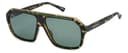
Best tortoise is the Privé Revaux Clevelander, for anyone who wants the same practicality with some warmth to it. Stated cellulose acetate, polarized, 100% UV, and one of the better-finished budget frames we track. A tortoise acetate reads dressier than black at no extra cost, and it hides the fine scuffs an everyday frame accumulates far better than a gloss black one does. Our Privé Revaux review covers what the brand publishes and where it cuts corners.
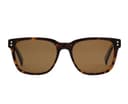
Best upgrade is the OTIS Test of Time. OTIS states its frames are eco-acetate derived from cotton seeds and plant matter, and its lenses are mineral glass — which is the specific reason it is here. A glass lens shrugs off the micro-scratching that eventually makes a plastic lens hazy, so this is the everyday pair that is still clear in five years. It is roughly four times the price of the SOJOS, it is heavier because glass is heavier, and a glass lens can chip if you drop it onto concrete. Our OTIS review has the brand in full.
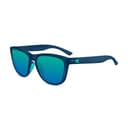
Best if you lose them is the Knockaround Premiums, and it is not acetate — Knockaround’s frames are injection-molded polycarbonate and we say so on every page that mentions them. It is here because it is honestly the right answer for some people: genuinely polarized, UV400, under $30, and it does not matter if it ends up in a river. If the material is why you came to this site, take one of the acetate picks instead; if you have lost four pairs this year, take this one. Our Knockaround review and goodr vs Knockaround cover the category.
Cheapest is the SOJOS Retro Polygon Round, listed as Italian acetate, polarized, in a soft polygon-round that flatters square, oval and heart faces. At this price the finish is basic and nothing is published about measurements, but it is real acetate with a real polarized lens — which is more than most frames at the same money. A good way to test whether you actually like a rounder shape before spending on one. Our SOJOS review covers the line, and affordable acetate sunglasses covers the whole budget field.
How many pairs do you actually need?
Two is the honest answer for most people: one everyday pair that can take abuse, and one pair you like enough to keep nice. Buying a single expensive pair and using it for everything is how expensive pairs get scratched; buying five cheap pairs is how you end up with none that fit. If you only want one, pick from the top two here and use a case. Our page on whether expensive sunglasses are worth it makes both arguments properly.
Whatever you buy, check two lines on the listing: a stated frame material — cellulose acetate, not just “plastic” — and a stated UV400 or 100% UV rating, because the FDA is explicit that lens darkness tells you nothing about UV. Our guides to telling real acetate from acetate-look plastic and checking UV protection are the two checks worth doing before you spend anything.