How we judge a budget brand
We do not buy units or lab-test lenses, so we do not pretend to. What we can do reliably is read the published specification, confirm the stated frame material, and reason honestly about fit and value. For a budget brand that means three questions: is the frame actually acetate or is it molded plastic dressed up as acetate; are the lenses genuinely polarized and UV400 or is that a sticker; and is the shape one that flatters a real face rather than a catalog photo. SOJOS passes the first two on its acetate line, and the picks above are the shapes we think clear the third.
What SOJOS gets right
The headline is the material. The frames in the acetate line are genuine cellulose acetate, not injection-molded plastic, which is why they feel more substantial in the hand than their price suggests. The lenses are polarized and rated UV400, so they cut glare and block ultraviolet up to 400 nanometers — the protection that actually matters for your eyes, and the part that is about the lens, not the price tag. Construction is handmade with metal hinges rather than the molded-in plastic hinges you find on the cheapest frames, and metal hinges are the ones that survive being opened and folded a few thousand times.
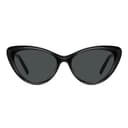
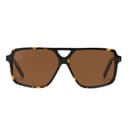
Shape is the other quiet strength. The cat-eye line is genuinely flattering: the upswept shape lifts a heart or square face, and the softer Aria cut rounds off the sharp outer point so it reads everyday rather than costume. The rectangle is the frame we default to for a round face, because the straight top line and angular corners add the definition a round face lacks. And the acetate aviator is a nice change of pace — swapping the usual thin wire for a molded acetate body gives the teardrop shape real presence.
Where the limits are
Honesty is the whole point of this site, so here is what you give up versus designer money. First, color depth: the acetate is good, not designer. It does not have the layered warmth and hand-polished edge of a Persol or a Kate Spade, and if you put them side by side you will see it. Second, measurements: SOJOS frequently does not publish exact frame or lens widths, which is a real problem if you have a notably wide or notably small face and cannot try before you buy. Third, most of the acetate frames are one size, so a bolder cat-eye can overwhelm a very small face and there is no smaller option to fall back on. None of these are dealbreakers at the price — they are simply the trade you make for spending under $40 instead of several times that.
One nuance on the “Italian acetate” language you will see on the round frame: at this price, that describes the sheet stock the frame is cut from, not the hand-finishing a premium Italian maker adds. It is still real acetate. It is just not the same thing as a hand-polished Italian frame, and we would not want you to read it that way.
Buy the acetate line, not the TR90 one
This is the single most important thing to get right when you shop SOJOS. The brand sells both a TR90 line and an acetateline, and they can look similar in a thumbnail. TR90 is a light, flexible nylon — perfectly fine for a sporty, knockabout frame, but it is not acetate and it does not have the heft or the color depth. If you specifically want acetate, you have to read the material line on the listing before you buy. Our acetate vs TR90 comparison lays out the difference in plain terms, and if you are ever unsure whether a frame in hand is the real thing, the checks in how to tell if frames are real acetate will settle it in under a minute.
The five acetate picks, and who each suits
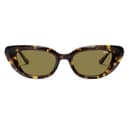
Two of the five are cat-eyes, and they solve different problems. The sharper 90s-revival cat-eye is our value benchmark for the shape: the upswept line lifts a heart or square face, and the handmade build with metal hinges is what keeps it from feeling cheap. The Aria is the gentler alternative — a softer upsweep that rounds off the sharp outer point, so it reads everyday rather than costume and flatters a wider range of faces, from heart to round to square. If a dramatic cat-eye feels like too much, the Aria is the safer buy.
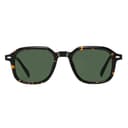
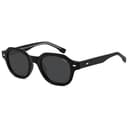
The other three cover the everyday, the round and the aviator. The rectangle is our default for a round face: the straight top line and angular corners add the definition a round face lacks, and the neutral, unisex styling goes with almost anything. The polygon round is a soft, faceted circle rather than a perfect one, which is more forgiving on a strong jaw and reads a little more modern — and it is the lightest, cheapest honest acetate round here. The acetate aviator is the outlier: swapping the usual thin wire for a molded acetate body gives the teardrop shape real presence, and because the lenses are polarized it is a genuine driving and open-water frame, not just a look. It is heavier on the nose than a metal aviator, which is the trade for that presence.
One practical note applies across all five: SOJOS often does not publish exact frame or lens widths, and most of these frames are one size. If your face is at either extreme — very wide or very small — that is the real risk, because you cannot check the numbers before you buy. For an average or medium face it is rarely a problem, and the polarization and UV400 rating are stated on every listing, so the lens performance is not the thing in doubt.
Who should buy SOJOS
Buy SOJOS if you want genuine acetate and polarized UV400 lenses for under $40, you are shopping one of the shapes above, and you have a medium face or are happy with a one-size frame. It is the value benchmark for an acetate cat-eye, and a genuinely smart first acetate frame if you are not ready to spend designer money. Look elsewhere if you need a guaranteed fit for a very wide or very small face and cannot try the frame first, or if you want the hand-finished color depth that only a premium acetate frame delivers. If that is you, the honest move is to spend more, and our guides can point you to where the extra money actually shows. And if the brand you are weighing SOJOS against is the other budget acetate name on this site, our SOJOS vs CARFIA head-to-head settles it on range, published specs and fit.
And if the comparison in your head is with the icon rather than another budget brand, our SOJOS vs Ray-Ban page lays out exactly what the fivefold price gap buys and the one lens feature SOJOS has that the classic Ray-Ban does not.