Acetate Club

Best Acetate Sunglasses for Driving

Polarized acetate frames that cut road glare, plus the honest lens rules for driving - what to choose and what to avoid behind the wheel.

By Stephen V.Last updated How we pick

Driving is the one situation where the right pair of sunglasses does more than look good — it changes what you can actually see. Low sun, glare bouncing off a wet road, the sheet of light thrown by another car’s windshield: these are the moments a good lens earns its keep, and a bad one makes things worse. The frames on this page are all genuine cellulose acetate, and every one is polarized, because when it comes to cutting the horizontal glare that comes off the road surface, polarization is the single most useful feature a driving lens can have. Acetate matters here too — it holds a lens securely, sits comfortably on long trips, and doesn’t get as cold or as slippery as bare metal — but the lens is what keeps you safe, so that’s where most of this page lives.

We ranked these picks on the things that matter behind the wheel, in roughly this order: polarization to kill road glare, a lens tint that keeps colors true and adds contrast without going too dark, coverage that blocks light coming in from the side, genuine UV400 protection, and a comfortable, secure fit for long stretches. Prices are described in bands rather than exact numbers, and the short version is that you do not need to spend a lot to drive well — most of the picks here sit in the budget or value range. Below the picks you’ll find the honest rules that matter most: why polarization helps but isn’t magic, why the darkest lens is the wrong lens for driving, and why UV protection is a completely separate number from tint. Read those before you buy, because the wrong choice here is one you notice at exactly the wrong moment.

How this is funded:we earn a commission if you buy through our links, at no extra cost to you. It never changes which product we recommend, and we’ll tell you when we’d skip one. Full disclosure.

Quick picks

Ranked on frame material, fit and value. Select a row to jump to the full write-up. We have not handled these frames in person — here is exactly what we do instead.

#ProductBest forPrice
1
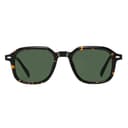
SOJOS Acetate Rectangle (Handmade, Polarized)

SOJOS Acetate Rectangle (Handmade, Polarized)

A clean rectangular acetate frame that reads far more expensive than it is. The straight top line and angular corners are exactly what a round face needs, the lenses are polarized, and it's unisex enough to share. Our default budget pick for a round face.

Best overall for driving
$39.99 · View on Amazon

Price as of August 23, 2026. #ad How we’re funded

2
Privé Revaux Clevelander/S Rectangle

Privé Revaux Clevelander/S Rectangle

A polarized acetate rectangle from a brand built around accessible price points. The Clevelander is a clean, unisex everyday frame with 100% UV protection stated — a genuine step up from throwaway plastic without approaching designer money. A strong value tortoise pick.

Best value
$35.41 · View on Amazon

Price as of August 23, 2026. #ad How we’re funded

3
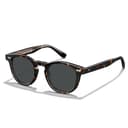
CARFIA Vintage Round (Hand-Crafted Acetate)

CARFIA Vintage Round (Hand-Crafted Acetate)

CARFIA leans hard into hand-crafted acetate at a budget price, and this vintage round is the men's-leaning pick — a substantial keyhole-bridge frame with polarized UV400 lenses. A lot of frame for the money, provided the round shape suits you.

Best for men
$39.99 · View on Amazon

$45.0011% off

Price as of August 23, 2026. #ad How we’re funded

4
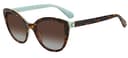
Kate Spade Amberlee/S Cat-Eye

Kate Spade Amberlee/S Cat-Eye

A polarized acetate cat-eye that lands between fast-fashion and designer money. The Havana acetate has real warmth, the polarized lenses are a genuine upgrade over the budget cat-eyes, and the shape is flattering without being costume-y.

Best for women
$149.29 · View on Amazon

Price as of August 23, 2026. #ad How we’re funded

5
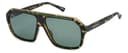
SOJOS Square Aviator (Acetate)

SOJOS Square Aviator (Acetate)

A squared-off aviator in acetate rather than the usual thin metal — a heavier, more fashion-forward take on the classic teardrop. The acetate body gives it presence, and the polarized lenses make it a genuine driving frame, not just a look.

Best coverage
$39.99 · View on Amazon

Price as of August 23, 2026. #ad How we’re funded

The picks in full

#1Best overall for driving

SOJOS Acetate Rectangle (Handmade, Polarized)

A clean rectangular acetate frame that reads far more expensive than it is. The straight top line and angular corners are exactly what a round face needs, the lenses are polarized, and it's unisex enough to share. Our default budget pick for a round face.

Strengths

  • Angular rectangular shape adds the definition a round face lacks
  • Real acetate plus polarized lenses under $40
  • Neutral, unisex styling that works with most outfits

Who should skip it

  • Not a statement frame — it's deliberately understated
  • Measurements aren't published, so check the fit if you have a wide face
Frame materialCellulose acetate
Frame shapeRectangle
Lens protectionUV400
PolarizedYes
Lens widthNot published
Suits face shapesRound, Oval

Spec note. A rectangular frame is wider than it is tall with squared corners — the geometry that visually lengthens and defines a round face.

Specs and material read from the product listing, on July 21, 2026. “Not published” means the seller does not state that figure.

#2Best value

Privé Revaux Clevelander/S Rectangle

A polarized acetate rectangle from a brand built around accessible price points. The Clevelander is a clean, unisex everyday frame with 100% UV protection stated — a genuine step up from throwaway plastic without approaching designer money. A strong value tortoise pick.

Strengths

  • Polarized with 100% UV protection stated
  • Acetate frame with a proper tortoise option, unisex styling
  • One of the better-finished frames in the budget band

Who should skip it

  • A classic rectangle, not a statement — deliberately understated
  • Finish is good for the price, not designer-grade
Frame materialCellulose acetate
Frame shapeRectangle
Lens protection100% UV protection (per listing)
PolarizedYes
Lens widthNot published
Suits face shapesRound, Oval

Spec note. Privé Revaux is a value-focused eyewear brand; the Clevelander is one of its acetate frames and states both polarization and 100% UV protection.

Specs and material read from the product listing, on July 21, 2026. “Not published” means the seller does not state that figure.

#3Best for men

CARFIA Vintage Round (Hand-Crafted Acetate)

CARFIA leans hard into hand-crafted acetate at a budget price, and this vintage round is the men's-leaning pick — a substantial keyhole-bridge frame with polarized UV400 lenses. A lot of frame for the money, provided the round shape suits you.

Strengths

  • Hand-crafted acetate with a keyhole bridge — a classic detail at a budget price
  • Polarized and UV400 both stated
  • Reads intentional and vintage rather than cheap

Who should skip it

  • Heavier than a metal round; the substantial build isn't for everyone
  • Finish is good for the price, not designer-grade
Frame materialCellulose acetate
Frame shapeRound
Lens protectionUV400
PolarizedYes
Lens widthNot published
Suits face shapesSquare, Oval

Spec note. A keyhole bridge (the notched cutout above the nose) is a heritage acetate detail; it also lifts the frame slightly off the nose, which some people find more comfortable.

Specs and material read from the product listing, on July 21, 2026. “Not published” means the seller does not state that figure.

#4Best for women

Kate Spade Amberlee/S Cat-Eye

A polarized acetate cat-eye that lands between fast-fashion and designer money. The Havana acetate has real warmth, the polarized lenses are a genuine upgrade over the budget cat-eyes, and the shape is flattering without being costume-y.

Strengths

  • Polarized lenses — cuts glare, which most sub-$40 cat-eyes don't offer
  • Acetate frame with a proper Havana tortoise finish
  • A softened cat-eye that flatters heart and square faces

Who should skip it

  • Mid-premium price for what is still a licensed fashion frame, not luxury eyewear
  • Gradient lenses are style-first; a solid tint blocks more light
Frame materialCellulose acetate
Frame shapeCat-eye
Lens protection100% UV protection (per listing)
PolarizedYes
Lens width55 mm
Suits face shapesHeart, Square, Round

Spec note. Kate Spade eyewear is made under license by Safilo; the frames are acetate and the Amberlee is offered in a polarized version, which is the one worth buying.

Specs and material read from the product listing, on July 21, 2026. “Not published” means the seller does not state that figure.

#5Best coverage

SOJOS Square Aviator (Acetate)

A squared-off aviator in acetate rather than the usual thin metal — a heavier, more fashion-forward take on the classic teardrop. The acetate body gives it presence, and the polarized lenses make it a genuine driving frame, not just a look.

Strengths

  • Acetate build gives the aviator shape more weight and character than a wire frame
  • Polarized — a real advantage for driving and open water
  • Unisex sizing and neutral colorways

Who should skip it

  • A squared aviator is a bolder look than the classic thin-metal version
  • Heavier on the nose than a metal aviator
Frame materialCellulose acetate
Frame shapeAviator
Lens protectionUV400
PolarizedYes
Lens widthNot published
Suits face shapesOval, Square, Heart

Spec note. Most aviators are thin metal; an acetate aviator swaps the wire for a molded plastic body, which changes both the weight and the attitude of the frame.

Specs and material read from the product listing, on July 21, 2026. “Not published” means the seller does not state that figure.

What makes a good driving pair

Start with polarization, because it’s the feature that does the most for driving. Sunlight that bounces off a flat surface — the road ahead, a wet patch, the hood of the car in front — comes back to your eyes as concentrated horizontal glare, and a polarized lens is built to block exactly that orientation of light. The result is a calmer, higher-contrast view of the road, less squinting, and less of the blinding flash off wet tarmac after rain. Every pick on this page is polarized for that reason, from the everyday SOJOS Acetate Rectangle to the squared SOJOS aviator. If you read one thing about driving lenses, read our guide to polarized vs non-polarized, because this is where polarization genuinely shines.

But polarization has one honest caveat that matters specifically in a car. The same filtering that kills glare can make some LCD screensharder to read at certain angles — that can include a dashboard display, a navigation screen, or your phone in a mount, which may dim or show odd dark patches when you tilt your head. It usually isn’t a dealbreaker, and most people adjust by moving their head slightly, but it’s worth knowing before you assume polarized is strictly better. If your car leans heavily on a large digital dash and the effect bothers you, that is the one scenario where a plain, non-polarized tinted lens can make sense. For most drivers, though, the glare-cutting benefit outweighs the screen quirk.

Next is tint. For everyday driving, a neutral gray or a warm brown/ambertint is the sensible choice. Gray keeps colors true — useful for reading traffic lights and brake lights accurately — while brown and amber tints boost contrast and depth perception, which many drivers prefer on hazy or overcast days. What you want to avoid is anything too dark: a very dark lens that’s comfortable in bright midday sun becomes a liability the moment you hit a tunnel, a tree-lined road, or the start of dusk, because your eyes can’t recover light fast enough. Our guide to lens tint colors goes deeper on which tints aid contrast and which are better left for the beach.

Two more things to avoid, and they’re easy to get wrong. First, category-4 lenses— the very darkest tint category, made for high mountains and glaciers — are not suitable for driving at all, because they cut too much light for road use. Second, heavy mirror finishesand yellow “night driving” glasses are best skipped for this purpose: a strong mirror can add its own reflections and glare inside the car, and yellow-tinted “night” lenses are of doubtful benefit after dark and are not a substitute for simply cleaning your windshield and headlights. When in doubt, a moderate gray or brown polarized lens in a standard tint category is the safe, boring, correct answer.

Finally, coverage and fit. A frame that sits close to the face and has enough height and width blocks stray light coming in from the side and from above, which matters when the sun is low and off to one side. A squared aviator like the SOJOS Square Aviator does this well because of its generous lens area, while a smaller round or cat-eye leaves a little more open at the edges. Fit matters for comfort too — a driving pair is one you may wear for hours, so temples that don’t pinch and a bridge that doesn’t slide are worth as much as any lens spec. Acetate helps here, since it’s warm to the touch and holds an adjusted fit well.

Polarized vs UV: they’re not the same

This is the most common and most important misunderstanding about sunglasses, so it gets its own section. Polarizationis a glare filter — it controls comfort and visibility by blocking reflected horizontal light. UV protectionis a completely separate thing: it’s an invisible property of the lens that shields your eyes from ultraviolet radiation, the part of sunlight linked to long-term eye damage. A lens can be polarized and offer poor UV protection, or be non-polarized and block UV completely. The two do not imply each other, and a dark tint on its own tells you nothing about either.

The number that actually protects your eyes is UV400, or the equivalent claim of 100% UV protection— that’s the spec to look for, and it’s the one every pick on this page carries. Our UV400 explainercovers what the number means and why it matters more than how dark a lens looks. The practical takeaway for driving: choose a lens that is both polarized (for glare) and UV400 (for protection), and don’t assume a very dark or heavily mirrored lens is doing either job. Darkness is about comfort, not safety; the two features that matter are named on the label, not visible to the eye.

It’s worth adding that behind glass you get some UV protection from the windshield itself, but side windows typically offer far less, and you spend plenty of time driving with the sun coming in from the side or with a window down. That’s reason enough to treat UV400 as non-negotiable rather than optional for a driving pair. If you want to compare the polarized options across our whole lineup, the best polarized acetate sunglasses roundup gathers them in one place.

How to choose for your face and your car

With the lens rules settled, the choice comes down to fit, coverage, and style. Our best overall for driving is the SOJOS Acetate Rectangle: a clean, neutral, unisex frame in genuine cellulose acetate, polarized and UV400, at a budget price. It’s the easy default because the rectangular shape gives good coverage without drama, and it suits most faces. The honest con is that it’s deliberately plain — if you want a frame that makes a statement, this isn’t it, and the budget build won’t feel as substantial in hand as a pricier frame. For most drivers, that’s a fair trade.

If you want to spend as little as possible without cutting corners on the lens, the Privé Revaux Clevelander is our best value pick: a cellulose acetate rectangle, polarized with 100% UV, unisex, and offered in a tortoise option that dresses it up a little. It punches above its price. The trade-off is that it’s a fashion-forward budget brand rather than a heritage optical name, so hardware and finish are what you’d expect at the price rather than a step above it — but for the lens features that matter behind the wheel, it delivers.

For a men’s-leaning option with more presence, the CARFIA Vintage Roundis a hand-crafted acetate frame with a keyhole bridge, polarized and UV400, at a budget price. It’s substantial and characterful, and the round shape reads relaxed rather than sporty. Two honest cautions for driving, though: a round lens gives slightly less coverage against low side light than a squared shape, and the substantial build is heavier than a minimal frame, which some drivers notice on very long trips. If you love the look, neither is a dealbreaker.

Our best for women is the Kate Spade Amberlee, a polarized acetate frame in a softened cat-eye shape, sitting at a mid-tier price. It keeps the driving essentials — polarization and an acetate body — in a more styled, flattering silhouette. The trade-offs are the ones that come with any cat-eye: the upswept shape leaves a little more open at the lower outer corners than a full rectangle, so coverage against low side sun is slightly less complete, and it’s the priciest pick here. You’re paying for the design and the name as much as the function.

Finally, our best coverage pick is the SOJOS Square Aviator: an acetate-bodied squared aviator, polarized and UV400, at a budget price, with a generous lens area that does a genuinely good job of blocking side light. If low sun coming in from the left or right is your main complaint, this is the shape to reach for. The honest con is scale — a big squared aviator is a bold frame that overwhelms smaller faces, so it’s the picks’ least universal fit even though it’s the most protective. If it suits your face, it’s hard to beat for pure road coverage.

To tie it together: match the shape to your face and the coverage to your car. If you drive a lot with the sun low and off to the side, prioritize a larger, close-fitting frame like the squared aviator or the rectangle. If your car has a big digital dash and you find polarization dims it too much for comfort, know that the screen quirk is real and factor it in. And whatever you choose, hold the line on the two things that actually matter — a moderate polarized tint that isn’t too dark, and a genuine UV400 rating. Get those right and any of these acetate frames will make the road easier to read. If you’re still weighing options, the best acetate sunglasses overall roundup covers the full cross-brand lineup.

Frequently asked questions

Are polarized sunglasses good for driving?

Yes, for most daytime driving they're the single most useful feature you can have. Polarized lenses block the horizontal glare that bounces off the road surface, wet patches, and other cars, which makes the road easier and calmer to read and cuts down on squinting. The one honest caveat is that polarization can make some LCD screens harder to read at certain angles — that can include a car's digital dashboard or a phone in a mount, which may dim or look patchy when you tilt your head. Most people adjust with a slight head movement, but if your car relies on a large digital dash and it bothers you, that's the one situation where a plain tinted lens can make sense. For the great majority of drivers, the glare-cutting benefit clearly wins.

What lens tint is best for driving?

A neutral gray or a warm brown/amber tint is the sensible everyday choice. Gray keeps colors true, which helps you read traffic lights and brake lights accurately, while brown and amber tints add contrast and depth perception that many drivers prefer on hazy or overcast days. What matters more than the exact color is that the lens isn't too dark: a very dark tint that feels great in bright midday sun becomes a hazard in a tunnel, on a shaded road, or at dusk, because your eyes can't adjust to the lower light quickly enough. Avoid yellow 'night driving' tints, which are of doubtful benefit after dark, and skip heavy mirror finishes, which can add their own glare inside the car.

Can sunglasses be too dark for driving?

Yes. The very darkest lenses — known as category 4 — are made for extreme conditions like high mountains and glaciers, and they are not suitable for driving because they cut too much light for road use. A lens can be too dark for driving without being category 4, too: if it's comfortable in full midday sun but leaves you struggling in a tunnel, under trees, or at dusk, it's too dark for general driving. For the road, choose a moderate tint category rather than the darkest available. Remember that how dark a lens looks has nothing to do with how much UV protection it provides, so a darker lens is not a safer one.

Do driving sunglasses need to be polarized?

They don't strictly have to be, but polarization is the feature that helps most with driving, because it targets exactly the horizontal glare that comes off the road and wet surfaces. That's why every pick on this page is polarized. The main reason to consider a non-polarized pair instead is if you find that polarization makes your car's LCD dashboard or a mounted phone screen too hard to read at certain angles. If that's not an issue for you, a polarized lens is the better driving choice. Just don't confuse polarization with UV protection — they're separate things, and you want a lens that is both polarized for glare and rated UV400 (100% UV) for eye protection.

Sources

Keep reading