What polarization actually does
Light that bounces off a flat, horizontal surface — asphalt, water, a car hood, snow — tends to line up in one direction, and that organized light is what you experience as harsh, blinding glare. A polarized lens has a built-in filter that blocks light traveling in that one direction while letting the rest through. The effect is immediate: glare off the road drops, the surface of water turns from a white sheet into something you can see through, and colors look a little deeper because your eyes aren’t fighting the glare. For driving and anything near water, it’s the single most noticeable lens upgrade you can buy.
Here’s the part that gets muddled, and it matters: polarization is not UV protection. The polarizing filter deals with glare; a separate UV filter is what blocks the ultraviolet radiation that actually damages your eyes over time. A lens can be polarized without being fully UV-protective, and a lens can block 100% of UV without being polarized at all. You want both, and you should never assume a dark or polarized lens is protecting your eyes unless the listing says so. Our polarized vs non-polarized guide walks through the difference in plain English, and the UV400 explainer covers the number that actually protects your eyes.
If you ever want to confirm a lens is genuinely polarized rather than just tinted, there’s a quick real-world test. Look at a reflective surface — a phone screen or a car window — through the lens, then slowly rotate the glasses about ninety degrees. A truly polarized lens will visibly darken or lighten the reflection as you turn it, because you’re rotating the filter relative to the glare; a plain tinted lens won’t change at all. It’s the same principle that makes two polarized lenses held at right angles to each other go nearly black. Every frame on this page states polarization on the listing, but the test is a useful habit for anything you’re unsure about.
When polarized helps and when it doesn’t
Polarization is a clear win for driving, boating, fishing, beach days, snow and any bright day with a lot of reflected light. There are a few places it works against you, though, and they’re worth knowing before you assume polarized is always better. Because the filter blocks light traveling in one direction, it can interact with LCD and LED screens — a phone, a car’s dashboard display, an ATM, or the instrument panels in some aircraft cockpits — making them dim, patchy or invisible at certain angles. It can also hide the icy patches a skier or driver sometimes wants to spot, since those show up as glare.
It also helps to separate polarization from lens darkness, because people often expect a polarized lens to be a very dark one. They’re unrelated: polarization is a filter built into the lens, while darkness is just the tint. You can have a lightly tinted polarized lens or a very dark non-polarized one. For driving, a medium tint with polarization is usually the sweet spot — dark enough for glare, light enough to keep road detail and traffic signals readable. Very dark lenses can cause your pupils to open wider, so pairing a heavy tint with a weak UV filter is genuinely the worst combination — which is exactly why the UV label matters more than how dark the lens looks.
For most people, the honest answer is that the situations where polarization hurts are narrow and easy to work around: you can tilt your head to read a screen, or keep a second, non-polarized pair for skiing or flying. The situations where it helps — every bright drive, every day near water, every glare-heavy afternoon — are the ones you actually spend your time in. That’s why we treat polarization as the default upgrade for an everyday acetate frame and simply flag the exceptions, rather than the other way around.
For everyday wear and the situations above, the trade-off is well worth it; if you spend your day reading a screen in bright light or flying a light aircraft, it’s a real consideration. There’s also no benefit indoors or at night — polarization does nothing in low light, so a polarized lens is for bright, glare-heavy conditions, not a permanent upgrade you wear everywhere. Match the feature to how you’ll use the frame and it’s almost always a win.
Why polarized + acetate is a good combo
Polarized lenses often come bonded into thin, light sport frames, which is fine for running but not what most people want for everyday wear. Putting a genuine polarized lens into a cellulose acetate frame gives you the glare control without giving up the things that make a frame worth keeping: the color depth that runs through the material, the substantial feel in the hand, and the ability to heat-adjust the fit. It also tends to signal a more considered product overall — a maker who bothers to fit a real polarized lens usually bothers to use real acetate too.
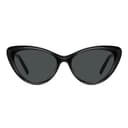
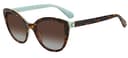
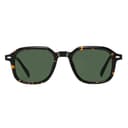
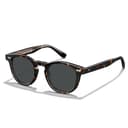
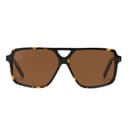
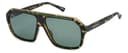
That’s why the value picks here punch above their price. The SOJOS acetate cat-eye and rectangle, and the Privé Revaux Clevelander, pair the comfort upgrade of polarization with an honest material rather than choosing one and skimping on the other. For driving specifically, a substantial frame with a wide, uninterrupted lens is ideal, which is why the CARFIA vintage round works so well behind the wheel; and for a bolder look that still earns its keep on the road and open water, the SOJOS square aviator swaps the usual thin metal for a molded acetate body with real presence. The designer pick, the Kate Spade Amberlee, does the same thing a rung up, adding a proper Havana finish to the polarized lens.
The everyday value pick, the SOJOS acetate rectangle, is the clearest example of why the combination works: a clean, unisex shape you’ll reach for daily, with the glare control built in, in a material that reads far more expensive than it is. Step down to the budget end and the Privé Revaux Clevelander does the same job for even less, with 100% UV protection stated alongside the polarization. Neither is a statement frame — they’re deliberately understated — but that’s exactly what you want in a pair you’ll wear every day. For more genuine acetate in this price band, most of it polarized, our affordable acetate roundup goes wider.
One last point in acetate’s favor: because a good acetate frame is built to be kept, and can be heat-adjusted and serviced, a quality polarized lens set into it isn’t a throwaway. You’re putting the glare-cutting upgrade into a frame that will still be around in a few years, rather than a disposable sport pair. That combination — a lens you notice every bright day, in a frame worth holding onto — is what makes polarized acetate the sweet spot for most people’s main pair of sunglasses.