How we judge a legacy brand
We do not buy units or test lenses, so we do not claim hands-on results. What we can do reliably is read the published specification, confirm the stated frame material, and reason honestly about fit and value. For a legacy brand at a premium price, the value question matters as much as the material one: an icon carries a brand premium, and the fair test is whether the frame is genuinely better made and more serviceable, or whether you are paying for the name alone. Here is how Ray-Ban fares on both.
What Ray-Ban gets right
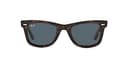
Start with the material. The Original Wayfarer is thick cellulose acetate cut in the original 1950s shape, and on the Havana colorway that acetate is layered tortoiseshell— real depth, not a printed pattern stamped onto flat plastic. That is the difference you are paying for, and it is a real one. The shape is the other thing: the angular wayfarer lines are the reference for a reason, adding definition to a round or oval face in a way soft frames cannot. And Ray-Ban lenses carry full UV protection while the frames are endlessly serviceable— hinges, screws and lenses can be maintained, so a good pair is a buy-for-years frame rather than a throwaway one. You can see how the shape stacks up against the field in our best wayfarer acetate sunglasses roundup.
The acetate caveat: not every Ray-Ban is acetate
This is the part most buyers get wrong, so read it carefully. Within the Wayfarer family, the Original Wayfarer (RB2140)is the acetate model — thick, substantial, genuine cellulose acetate. The lighter New Wayfarer (RB2132) is notacetate; Ray-Ban’s own listing gives its frame material as nylon, which is why it feels lighter and slimmer. Neither is wrong, but they are different materials, and if you specifically want acetate you have to buy the 2140, not the 2132.
The two models also differ in size in a way the stated eye width hides: on Ray-Ban’s published figures every New Wayfarer is a shallower frame than every Original Wayfarer, even where its eye width is the larger number. We laid the whole thing out side by side in Original Wayfarer vs New Wayfarer, including lens heights, bridge widths and the low-bridge F versions of both.
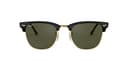
The Clubmasteris a related but distinct case. It is a browline frame, which means a heavy top rim with a light or rimless bottom — and on the Clubmaster the brow is acetate while the lower rim is metal. That mix is the whole design: the acetate brow gives the retro character and the bold horizontal line that balances a round or heart face, and the metal keeps the frame lighter than an all-acetate one. So it is an acetate frame where it shows, but it is not a full acetate frame, and the acetate-to-metal join is a genuine wear point on any browline over years. See the shape in context in our best browline acetate sunglassesguide, and if the Clubmaster’s price is the sticking point, Clubmaster alternatives explains why we would take a single-material acetate frame over a budget browline every time.
Is the icon worth the premium?
Ray-Ban sits in the premium band, and the honest answer is that the premium buys two real things and one intangible. The real things are material — genuine thick acetate and layered tortoise rather than printed plastic — and serviceability, the ability to keep a frame going for years rather than replacing it. The intangible is the icon status itself, which you are also paying for. If layered acetate and a frame you can maintain matter to you, the premium is defensible. If you mainly want the look and eye protection for as little as possible, remember that UV protection comes from the lens, not the price— a good budget acetate frame protects your eyes just as well. The premium is about material, finish and longevity, not safety.
There is also a practical angle to the premium: because the reference shapes barely change, a classic Wayfarer or Clubmaster does not date, and parts and lenses stay available for years. That is the quiet argument for buying the icon over a look-alike — not that the look-alike protects your eyes any less, but that it is far more likely to be landfill in two years than a maintained frame in ten. Whether that matters enough to justify the difference is a personal call, and it is the honest crux of the decision.
The two acetate picks, and who each suits
The Original Wayfarer is the one to buy if you want full acetate. It is thick cellulose acetate in the original 1950s shape, and on the Havana that acetate is layered tortoiseshell with genuine depth rather than a printed pattern. The angular lines add definition to a round or oval face, and the frame is serviceable enough to keep for years. The honest caveats: the deep 1950s fit sits large on a very small face, and the classic variant is not polarized — you pay extra for the polarized version, so check which one you are adding to the cart.
The Clubmaster is the pick if you want a retro browline rather than full acetate. The acetate brow adds the bold horizontal line that balances a round or heart-shaped face, while the metal lower rim keeps it lighter than an all-acetate frame. It is one of the most recognizable, hardest-to-date shapes in eyewear. Two honest trade-offs come with it: the metal-and-acetate join is a wear point on any browline over years, and the nose pads sit differently than on a full acetate frame — some people find them fiddly.
Both frames reward the buy-for-years mindset a premium brand is supposed to justify. Because the parts are serviceable — hinges, screws and lenses can be maintained or replaced — a good pair does not become disposable the first time something loosens, which is a genuine difference from a molded budget frame. That longevity is a real part of what the premium buys, alongside the material itself.
Who should buy Ray-Ban
Buy the Original Wayfarer (RB2140)if you want one serious acetate frame for life, you like the reference shape, and you have an oval or round face that suits its deeper 1950s fit — just note that the deep fit sits large on a very small face, and the classic variant is not polarized unless you pay up for the polarized version. Buy the Clubmaster if you want a retro browline to soften a round or heart face and you are happy with an acetate-and-metal frame rather than full acetate. Look elsewhere if you want full acetate on a budget, in which case a genuine acetate frame for far less money makes more sense, or if you want Italian hand-finishing, where a maker like Persolis the better spend — we put the two side by side, spec by spec, in our Ray-Ban vs Persol comparison. To see Ray-Ban ranked against everything else, our best acetate sunglasses overall roundup is the place to start.
Two more pages answer the questions this review gets asked most. Our Wayfarer 50 vs 54 comparison settles which of the two Original Wayfarer sizes to buy, and our roundup of the best Wayfarer alternatives covers what to buy if the price is the problem.