The three claims to match, in order of how hard they are to find
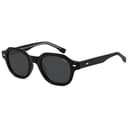
1. The hinge — the hardest of the three. DIFF names 5-barrel hingeson the Ryder page. That is not decoration: the barrel count is how an acetate hinge is seated into the material, and more barrels spread the load across a wider footprint, which is why a 5- or 7-barrel hinge is the signal that a frame was built to be worn hard rather than photographed once. It is also the single spec almost no budget listing publishes — of the six picks here, none states a barrel count, and we are not going to invent one. What we can say is which frames publish any hinge detail: on this site that list is OTIS (Visottica hinges with stainless steel screws on the Guilt Trip X, Vissottica barrel hinges on the Omar) and nobody else. Our page on acetate frame hinges explains barrel versus spring and why the hinge, not the material, is usually what fails first.
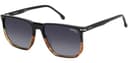
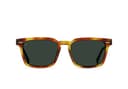
2. The fitting. DIFF gives you lens width, bridge and temple length in millimeters. Exactly one pick here matches that: Carrera publishes the 329/S at 58-18-145 on its own product page, and the Amazon listing title repeats the same figure, which is how the ASIN was matched to the model. RAEN publishes a 54 mm lens width. The remaining four publish nothing measurable, and the cards say so. Our sizing guide covers how to read a fitting against a pair you already own, which is the only way to shop the four that publish nothing.
3. Polarization and UV. The easy one. Five of the six picks state polarized lenses and a UV400 or 100% UV figure in their own listings. The exception is the Carrera, and it matters: Carrera gives the 329/S as a grey shaded gold mirror gradient, non-polarizedlens. If polarization is non-negotiable, that pick drops off your list and the fitting advantage goes with it — which is the real trade on this page rather than a footnote. Our polarized vs non-polarized guide covers what you would be giving up, and polarized acetate sunglassesis the page to start from if the answer is “non-negotiable”.
The bridge is where DIFF’s own range splits
Look at the two fittings DIFF publishes side by side. The Ryder is 52-21-145. The Renee is 53-15-140. The lens widths are within a millimeter of each other — and the bridges are six millimeters apart.
Six millimeters of bridge is not a detail. It is the difference between a frame that rests on the sides of your nose and one that sits down on top of it, and it is the commonest reason a frame that looked right in a product shot sits wrong on a face. A 15 mm bridge is narrow; a 21 mm bridge is generous. So before you shop a substitute, write down the bridge figure of the DIFF you were looking at, because it decides more than the shape does.
Here is the limitation we are not going to paper over: of the six frames on this page, only Carrera publishes a bridge measurement(18 mm on the 329/S). For the rest, the closest honest proxy is the fit the seller describes — which is why the CARFIA small-face double bridge is on this list as the narrow-fit answer rather than as a measurement match. CARFIA cuts it for a small face and says so, and small-face acetate is genuinely rare. Our guides to sunglasses for small faces and sunglasses for a low nose bridge cover the two different problems a bridge figure is standing in for.
Matching by shape, model family by model family
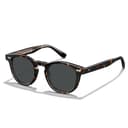
The cat-eye fronts(Bradley, described as thick acetate): the SOJOS Acetate Cat-Eye is the direct answer — stated acetate rather than injection plastic, polarized, in the sharper 90s-revival shape. If you want the point softened off, the SOJOS Aria on our cat-eye roundup is the gentler cut and flatters a wider range of faces.
The square fronts (Ryder at 52-21-145, Colton given as sturdy acetate in a universal medium fit with a molded nose bridge): the Carrera 329/S is the pick if the published fitting is what you want, though it is a geometric octagon rather than a true square and it is not polarized. For a polarized square in stated acetate at similar money, the SOJOS Acetate Rectangle and the CARFIA Designer Acetate are on our square acetate roundup and rectangle roundup.
The round and oval fronts(Renee at 53-15-140): the CARFIA Vintage Round is the closest in character — hand-crafted acetate with a keyhole bridge, which is the detail that lifts a round frame slightly off the nose and is also the thing a 15 mm bridge is usually trying to achieve. The RAEN Adin at a 54 mm lens is the same silhouette done in Italian cellulose acetate, and the SOJOS Retro Polygon Round is the $25 version. Our round acetate roundup ranks the shape, and keyhole bridge sunglasses explains the detail.
The aviator front (Atlas at 58-16-140): skip the substitution. DIFF gives the Atlas as a stainless steel frame, so an acetate frame is not a dupe of it, it is a different object. If an acetate pilot shape is what you want, our acetate aviator roundup is honest about how few of them exist and why.
What the money buys above the budget picks
DIFF sits in the band between fast-fashion and designer eyewear, and so does the RAEN pick on this page. Three things separate that tier from a $25 frame, and none of them is the material claim.
Finishing time.Both tiers are cut from acetate sheet. What differs is tumbling time, edge polish and how carefully the pattern is aligned across the front — which is why a well-finished frame reads expensive in person even when the photographs are indistinguishable. Our handmade acetate roundupsets out what “handmade” actually covers at $15, around $40 and above $130.
Hardware you can service. The barrel count, the screw, whether an optician will take the frame on at all. This is the DIFF spec most worth paying for and the one hardest to verify elsewhere.
A brand that answers for the frame. A model number, a page that states what the frame is, and somewhere to go when a screw backs out. Our page on whether expensive sunglasses are worth it runs that argument with real numbers, and why acetate sunglasses are expensive breaks the cost down by line.
How to decide, in one question
Which DIFF were you looking at, and did its page publish a fitting? If yes, write down the three numbers and shop the Carrera or the RAEN against them, because those are the two picks here with a published measurement to compare. If no — and for Bella, Colton and Bradley the answer is no — then you were already buying on shape and photographs, in which case the stated-acetate budget picks on this page are doing the same job for a quarter of the money, and the honest difference is finishing and hardware rather than material.
If it is a different house you are comparing, the neighboring pages here are built the same way — the brand’s own published figures first, then our frames ranked against them: Coach dupes is built on lens height, Dior dupes on the bridge spread, and Blenders alternatives on frame material at the same price band.