What makes a frame read “vintage”
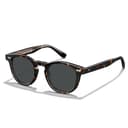
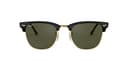
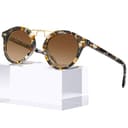
A few specific details do almost all the work. A keyhole bridge — the notched cutout above the nose, shaped a little like an old keyhole — is one of the oldest acetate details there is, and it instantly reads heritage; the CARFIA vintage round leans on it. A double bridgeadds a second bar across the top of the nose, a classic aviator-and-round touch, and it’s what gives the small-face CARFIA its retro character. A browline— a heavy top rim over a light or metal lower rim — is the definitive mid-century shape, and the Ray-Ban Clubmaster is its archetype, with an acetate brow that carries the whole look. And round shapes in general lean vintage, because the modern default is angular.
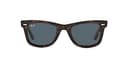
Then there’s color. Warm, layered tortoiseshellis the vintage color, and it’s where the material really matters: genuine acetate carries the pattern through the depth of the frame, so it shifts and glows in the light, while printed plastic looks flat and dead. The Havana on a Ray-Ban Original Wayfarer is real layered tortoise, not a surface print, and that depth is a big part of why the frame reads as a genuine article rather than a costume prop. If you take one thing from this page, make it this: for a vintage look, the honesty of the material does more than the shape.
It helps to know why acetate specifically owns this look. The heritage frames these styles imitate were made from acetate in the first place, so the material and the era are bound together — a keyhole bridge or a layered tortoise in acetate reads as the real thing because it essentially is the same construction. Reproduce those cues in molded, printed plastic and the eye picks up on the flatness immediately, even if it can’t name why. That’s the whole reason a genuine budget acetate frame like the CARFIA round or the SOJOS Italian round pulls off vintage more convincingly than a pricier fashion frame in cheaper material.
You can see these cues sorted across the picks. The Ray-Ban Clubmaster is the browline in its purest form — the acetate brow does the retro work while the metal lower rim keeps it light. The CARFIA vintage round pairs a keyhole bridge with a substantial hand-crafted acetate body, the most classic combination here. The small-face CARFIA adds a double bridge for character in a genuinely small size, and the SOJOS Italian round softens the circle into a polygon so it reads a little more modern. The Original Wayfarer, meanwhile, proves a vintage shape doesn’t need a period detail at all — sometimes the silhouette is the whole story.
Retro without the costume
The single most useful rule for wearing retro frames is this: keep one vintage cue, and keep everything else simple.A frame like the CARFIA vintage round is already making a statement with its keyhole bridge and substantial acetate build — so wear it with ordinary, modern clothes and let the glasses be the retro element. Pile a keyhole-bridge round on top of a full vintage outfit and a period hairstyle, and you’ve crossed from “great frames” into “fancy dress.” The frame should look like a considered choice, not a theme.
Scale and fit matter just as much as styling. A double-bridge frame like the small-face CARFIA works precisely because it’s sized for a smaller face — the same detail on an oversized frame would look theatrical. If you’re nervous about a strong vintage shape, start with a softer version: a soft-polygon round like the SOJOS Italian round is more forgiving and modern than a perfect circle, and a browline like the Clubmaster splits the difference by pairing an acetate brow with a light metal lower rim, so it reads retro without being heavy. And if you want the surest thing on the page, the Original Wayfarer is a vintage shape that has never actually left fashion — it’s about as low-risk as retro gets.
Two more small things keep a retro frame on the right side of the line. First, lens tint: a classic warm or green tint reads timeless, while a mirrored or brightly colored lens pulls a vintage frame toward novelty, so lean neutral if you want the throwback to feel considered. Second, let the rest of your look sit in the present — a modern haircut, everyday clothes — so the glasses read as one deliberate reference rather than a full period costume. The frames people compliment are almost always the ones doing one clear thing well, not five things at once.
It pays to think about proportion in the other direction too, because a vintage frame can be too timid as easily as too loud. A very subtle shape — a small plain round in a flat color — can read more “dated” than “vintage,” because there’s no clear intent behind it. The frames that land are usually the ones with one confident heritage cue, a real keyhole bridge, a proper browline, or a warm layered tortoise, carried at a scale that suits the wearer. Confidence in the detail is what separates a considered retro choice from something that just looks old.
Tortoiseshell is the vintage color
If you’re buying a retro frame and can’t decide on a color, buy tortoiseshell. It’s the color most associated with the vintage look, it’s a warm neutral that suits more skin tones and outfits than black, and it’s the color where real acetate most obviously beats imitation plastic. Because the pattern is layered into the sheet the frame is cut from, no two genuine tortoise frames are identical, and the color has a depth a printed finish can’t fake. Nearly every pick here is offered in a tortoise or Havana option for exactly this reason. Our tortoiseshell guide goes deeper on the color, the patterns, and how to tell a real layered tortoise from a printed one.
Tortoiseshell isn’t the only vintage color, but it’s the safest and the one that shows off real acetate best. Warm honey, amber and smoke tones all read heritage too, and a classic black acetate round or browline is timeless in a more understated way. If you’re choosing by shape rather than color, our companion roundups go deeper: the browline guide covers the retro brow-heavy shape, and the round guidecovers the arty, vintage-leaning circle. Whatever the color, the rule holds — genuine layered acetate is what makes a frame look like an heirloom rather than a costume prop.
There’s a small styling bonus to tortoise, too. Because it’s a warm, multi-tonal color rather than a flat block, it tends to pick up and echo hair and skin tones in a way solid black can’t, which is part of why it feels so at home on a vintage frame. If you’re buying for someone else, or you simply can’t decide, a warm Havana tortoise is the safest possible answer — it flatters broadly, reads timeless, and is exactly where genuine acetate earns its keep over a printed imitation.